Instagram marketing for restaurants works best when you treat Instagram as your digital menu card and your front door at the same time. Post short, mouth-watering reels of your food, make it easy to order or book from your profile, and use your location so nearby people in Mumbai, Vasai and Virar can find you. Do this consistently for a few months, and Instagram can become one of your most reliable sources of walk-ins, orders and table bookings.
This guide explains exactly how to do it, step by step, in simple language for restaurant, cafe, cloud kitchen and sweet shop owners.
Why Instagram marketing for restaurants works so well
Food is visual. People decide where to eat with their eyes first, and Instagram is built for exactly that. India is one of Instagram’s largest markets in the world (you can see the latest user numbers on NapoleonCat’s India Instagram statistics), and a big share of those users are young people in cities like Mumbai who love trying new places.
For a restaurant, Instagram helps with three things:
- Discovery: new customers find you through reels, Explore, hashtags and location tags.
- Trust: your posts, stories and tagged photos show real food and real people, which acts as social proof.
- Action: people can call, WhatsApp, get directions, order online or book a table directly from your profile.
Step 1: Set up a restaurant profile that converts
Before posting anything, fix your profile. Most visitors decide in a few seconds whether to follow, order or leave.
- Switch to a professional (business) account so you get insights, contact buttons and the option to run ads.
- Name field: include your cuisine and area, for example Spice Route | North Indian | Vasai West. The name field is searchable inside Instagram.
- Bio: cuisine, price feel, timings and one clear call to action such as Order on WhatsApp or Book a table below.
- Contact buttons: add your phone number, WhatsApp and address so the Call, Directions and Message buttons appear.
- Link: add your website menu, online ordering link or a booking page. If you use a booking partner, check whether it offers an Instagram action button.
- Story Highlights: create highlights for Menu, Offers, Reviews, Ambience and Location.
Also make sure your restaurant name, address and phone number match your Google Business Profile exactly. Consistent NAP details help customers and search engines trust your business.
Step 2: Plan content that makes people hungry
You do not need to post every hour. You need a simple content calendar with a good mix of content. Here is a mix that works for most restaurants:
| Content type | What to post | Goal | How often |
|---|---|---|---|
| Food reels | Sizzling tawa, cheese pulls, plating, thali close-ups | Reach new people | 3 to 4 per week |
| Behind the scenes | Kitchen prep, chef stories, fresh ingredients arriving | Build trust | 1 to 2 per week |
| Customer content | Reposted diner photos, short video reviews | Social proof | Stories, daily if possible |
| Offers and events | Weekday combos, festive menus, live music nights | Drive bookings | When relevant |
| Carousels | Menu highlights, top 5 dishes, price guide | Help decide | 1 per week |
Reels strategy for restaurants
Reels are usually the fastest way to reach people who do not follow you yet. A strong reels strategy for a restaurant is simple:
- Hook in the first 2 seconds: start with the most tempting shot, not your logo.
- Keep most reels short: 10 to 30 seconds is enough for most dish videos. Instagram now allows reels of up to 3 minutes (as Instagram announced in 2025), so save longer formats for chef stories or a full food tour.
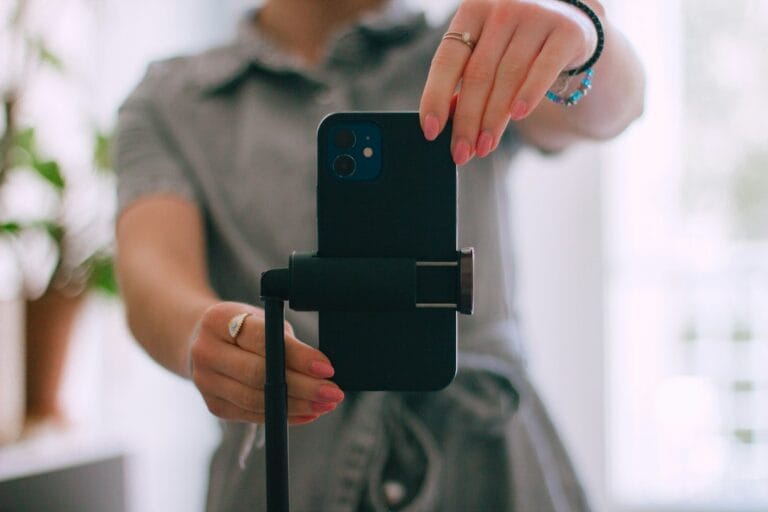
- Shoot vertically in good natural light. Our guide on the best Instagram reels video format covers size and resolution settings.
- Add on-screen text with the dish name, price and area, because many people watch without sound.
- Use trending audio carefully and keep it relevant to food.
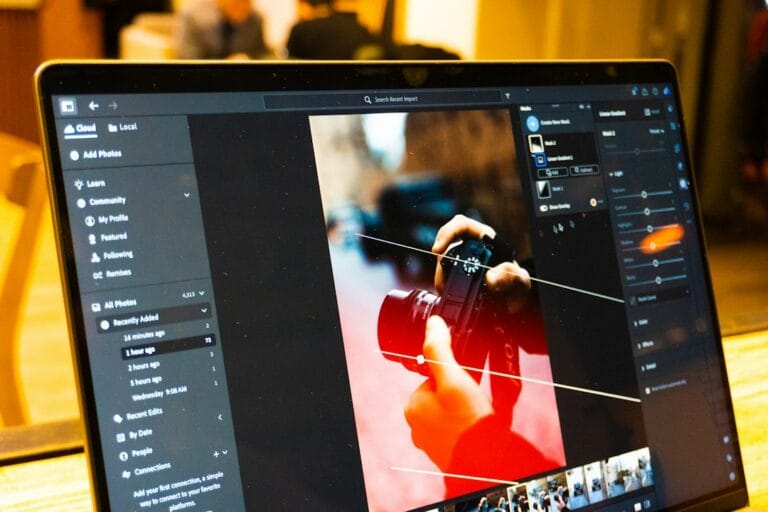
If you do not have time to shoot and edit, a team offering reels and short video content can batch-shoot a month of videos in one visit.
Step 3: Get local reach in Mumbai, Vasai and Virar
A restaurant in Vasai East does not need followers in Delhi. It needs people within a few kilometres. Focus on local signals:
- Tag your location on every post and reel.
- Use local hashtags such as your area, city and cuisine (for example, Vasai food, Virar cafes, Mumbai street food), along with a few dish hashtags. Keep them relevant rather than stuffing 30 random tags.
- Collaborate with local food creators and use Instagram’s Collab feature so the post shows on both profiles.
- Encourage tagging: put a small table card saying Tag us on Instagram and repost the best customer stories.
- Partner with nearby businesses such as gyms, coaching classes or offices for lunch combos and cross-promotion.
Step 4: Turn followers into orders and bookings
Likes do not pay the rent. Every week, a few posts should push people to take action.
- Clear calls to action: end captions with DM us to book, WhatsApp to order or Tap the link to see the menu.
- Quick DM replies: set up saved replies for menu, timings, parking and table booking questions. Slow replies lose customers.
- Limited-time offers: weekday lunch deals or festival specials give people a reason to visit now.
- Stories with stickers: use polls, questions and link stickers to engage followers daily.
Step 5: Use Instagram ads to grow faster
Organic content builds your brand, but paid ads speed things up, especially for a new outlet or a new menu launch. Instagram ads run through Meta Ads Manager, the same system as Facebook ads.
- Target by location: a small radius around your restaurant, so you only pay to reach people who can actually visit.
- Use your best-performing reels as ads: if a reel already did well organically, boosting it is usually a safe bet.
- Remarketing: show offers to people who watched your reels or visited your profile, using custom audiences.
- Lookalike audiences: reach new people similar to your existing customers or followers.
- Track results: watch cost per message, cost per lead and actual bookings, not just likes.
Start with a small daily budget, test two or three creatives, and keep the winners. A specialist team for Meta ads management can set up the targeting and tracking properly from day one.
Step 6: Measure what matters
Open Instagram Insights every week and note a few numbers:
- Reach and views on reels: are new people seeing you?
- Profile visits and link taps: are people interested enough to check you out?
- Call, direction and message taps: these are your real leads.
- Saves and shares: a strong sign that your food content is working.
Also ask customers at billing, How did you hear about us? This simple habit tells you whether Instagram is actually bringing people through the door.
Common mistakes restaurants make on Instagram
- Posting only flyers and offer graphics with too much text.
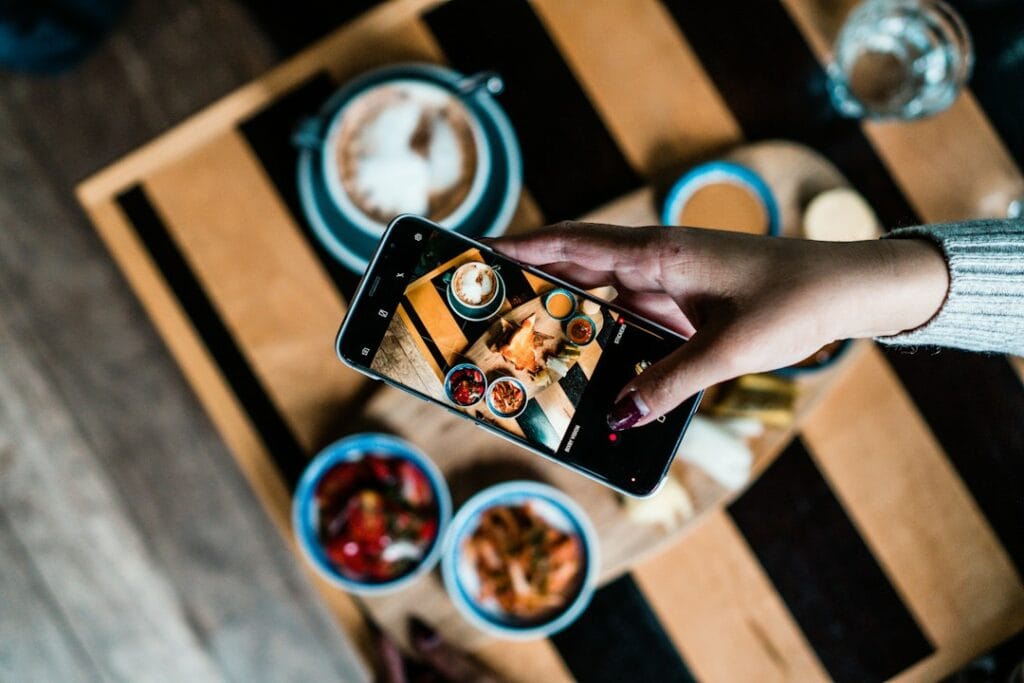
- Dark, blurry food photos taken at night under yellow lights.
- Posting daily for two weeks and then disappearing for two months.
- Ignoring comments and DMs, or replying a day later.
- Buying followers, which hurts reach and gives no real customers.
- No location tag and no clear way to order or book.
Should you manage Instagram yourself or hire an agency?
If you have a staff member who enjoys shooting videos and can post consistently, you can manage the basics in-house. Many busy restaurant owners, however, prefer to hand it over so they can focus on food and service. Professional social media management usually covers content planning, shooting, editing, posting, replying to comments and running ads, with a monthly report so you can see what is working.
Frequently asked questions
How often should a restaurant post on Instagram?
A good starting point is 3 to 4 reels per week plus daily stories. Consistency matters more than volume, so pick a schedule you can maintain for months.
Do hashtags still work for restaurants?
Yes, but only relevant ones. Use a handful of location, cuisine and dish hashtags. Location tags, good reels and collaborations usually matter more than the number of hashtags.
How much should a small restaurant spend on Instagram ads?
There is no fixed rule. Many small restaurants start with a modest daily budget for a local radius, test for two to four weeks, then increase spend only on ads that bring messages, calls or bookings.
Is Instagram better than Google for restaurants?
They do different jobs. Google Maps captures people actively searching for a place to eat right now, while Instagram creates the craving and builds your brand. The best results come from using both together.
Get more diners from Instagram with Viptro
Viptro Technologies helps restaurants, cafes and cloud kitchens across Vasai, Virar and Mumbai with reels, content, Instagram ads and complete social media marketing. Want a free review of your restaurant’s Instagram profile? Call or WhatsApp us at +91 7028180426 or book a free consultation today.